
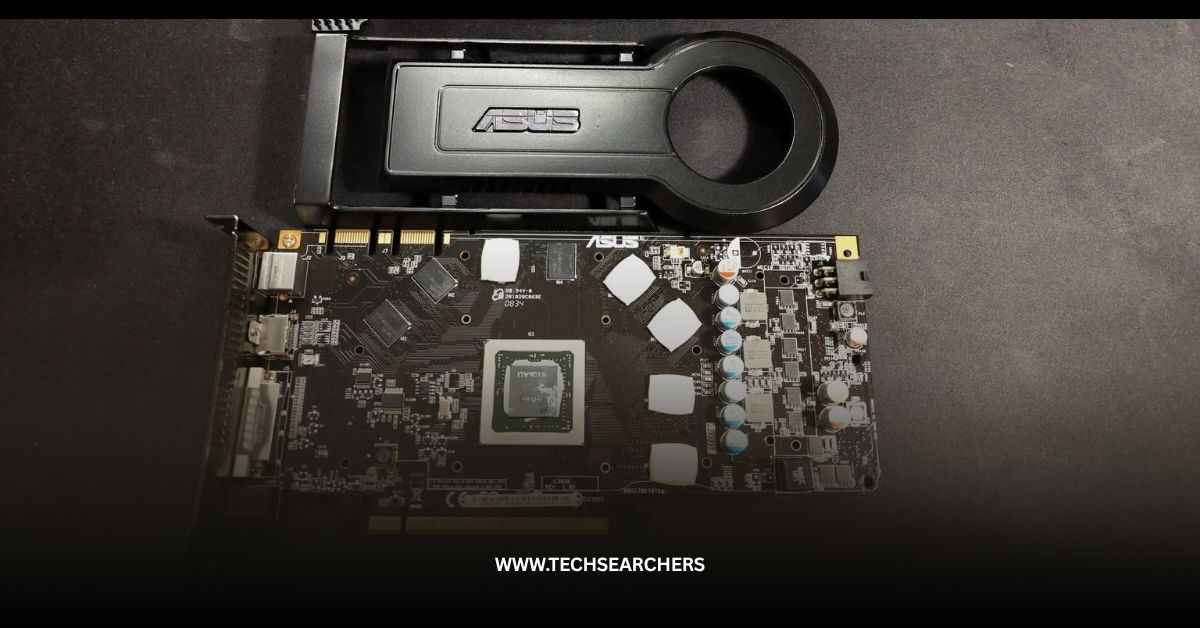
The GPU Nicotine Damage: 17-Year Asus 9800GT Makes Stunning Comeback tells the incredible story of a 2008-era Asus 9800GT graphics card brought back from the brink after years of nicotine exposure. Released in 2008, the 9800GT was once a popular choice for gamers, but this particular unit endured 17 years of continuous cigarette smoke, leaving it thickly coated with tar and residue. The contamination caused corrosion, unstable power delivery, and severe overheating.
Through precise cleaning, chemical treatment, and circuit restoration, RetroTech Restoration, led by CEO Madness727, managed to fully revive the GPU’s performance and appearance.
This remarkable restoration is both a warning about the destructive effects of smoke on electronics and a celebration of expert craftsmanship, proving that even decades-old hardware can be saved with the right skill and care.
Key Highlights
- Classic 2008 Asus 9800GT graphics card survived near-total thermal failure from years of smoke and tar buildup.
- Proprietary, multi-stage cleaning protocol restored cooling efficiency and electrical integrity.
- Viral restoration showcases both the dangers and potential reversibility of GPU nicotine damage.
- The card now functions reliably and is slated for sale to a collector, underscoring lasting hardware risks.
Main Update: Inside the Restoration and Discovery
The viral project began at RetroTech Restoration’s San Jose headquarters, where the rare Asus 9800GT arrived heavily impaired. When the card was dismantled, technicians encountered thick, malodorous layers of solidified nicotine and tar mixed with dust. The buildup made the cooling fins completely ineffective.
Madness727, CEO and lead technician, described the risks:
- “The toxicity from the residue made this restoration one of the most hazardous we have ever attempted.”
This residue is the epitome of GPU nicotine damage. Left untreated, it causes persistent overheating and would have led to permanent failure. Rescuing the card demanded chemical and manual cleaning, carried out with surgical precision to avoid damaging delicate components.
Impact and Details: Methods, Performance, and Features
RetroTech Restoration’s proprietary protocol involved:
- PCB Degreasing: Full disassembly and deep washing with specialized degreasers and delicate brushes.
- Alcohol Bath & Fan Revival: Mechanical and electronic elements are soaked in isopropyl alcohol, followed by targeted lubrication.
- Thermal Rejuvenation: Reapplication of cutting-edge phase change thermal materials (PTM) to the GPU core, VRAM, and memory chips.
- Component Sanitization: All exterior casings and heatsinks cleaned under controlled conditions to remove all odor and residue.
After restoration, the GPU regained full cooling capabilities. The hardware achieved 16 FPS in baseline benchmarks and managed 5 FPS in Crysis, an impressive feat for a component once written off as dead.
Technicians confirmed the PCB remained in “perfect physical shape,” testifying to the potential of expert intervention.
Release and Availability: Market Impact and The Warning
This restored Asus 9800GT is not being released for public sale; instead, it will be offered to a specialized collector as a functional artifact. For the broader market, the project delivers a clear message:
- GPU nicotine damage can devastate component value and lifespan.
The incident raises awareness about environmental hazards and strongly encourages regular, professional maintenance for smokers and non-smokers alike.
Conclusion
In conclusion, the 2008 Asus 9800GT restoration stands as a remarkable demonstration of how expert care can overcome even the harshest environmental damage. After 17 years of nicotine exposure, the GPU’s recovery by RetroTech Restoration, under the guidance of CEO Madness727, showcases the power of technical skill and dedication in hardware preservation. This success story highlights the importance of maintaining clean environments for electronics and raises awareness about the long-term effects of cigarette smoke on sensitive components. Competing restoration communities and PC repair specialists now view this case as a benchmark for excellence. Ultimately, the revived Asus 9800GT proves that with patience, precision, and expertise, even history’s forgotten hardware can shine again.
Frequently Asked Questions
What is GPU nicotine damage?
GPU nicotine damage occurs when prolonged exposure to cigarette smoke deposits tar and chemicals on a graphics card’s circuits and components. Over time, this residue causes corrosion, overheating, and electrical instability, reducing performance or permanently damaging the GPU.
How was the 17-year-old Asus 9800GT restored?
The Asus 9800GT, exposed to smoke for 17 years, was restored through careful chemical cleaning, decontamination of circuits, and electrical testing by RetroTech Restoration. Specialized tools and expertise allowed it to return to full functionality despite severe long-term damage.
Can nicotine damage be reversed on other GPUs?
Yes, results vary depending on the extent of corrosion and residue. Professional restoration can recover functionality in many cases, though heavily damaged or short-circuited components may not be fully repairable. Early intervention increases success rates.
How can I prevent nicotine damage to my PC hardware?
Avoid smoking near computers and maintain clean, ventilated environments. Regular dusting, cleaning, and inspection of components can prevent residue buildup. Using air purifiers or smoke-free rooms significantly reduces long-term hardware damage.
Why is the 17-year Asus 9800GT restoration significant?
This restoration demonstrates that even decades-old, smoke-damaged hardware can be salvaged with expert care. It serves as a cautionary tale for collectors and PC enthusiasts and highlights the capabilities of professional restoration services in preserving vintage technology.
