

Discover the ultimate processors engineered for gamers, content creators, and professionals demanding peak performance and efficiency. Our comprehensive guide showcases premium CPU models featuring AMD Ryzen 9000-series with 3D V-Cache technology, Intel Core i9 14th-gen processors, and cutting-edge Intel Core Ultra chips with AI acceleration, paired with high core counts, advanced architecture, and exceptional power efficiency for lightning-fast computing and seamless multitasking. From budget-friendly Intel Core i5 processors under $300 to flagship AMD Threadripper workstation CPUs with extended performance capabilities, advanced neural processing units (NPU), and innovative thermal solutions, these best processors 2025 dominate AAA gaming titles, professional rendering workloads, and AI applications. Featuring DDR5 memory support, PCIe 5.0 connectivity, integrated graphics options, and architectural innovations, they’re ideal for building high-performance desktop systems. Explore today’s leading processor selections, optimized to transform your computing experience with ray tracing performance, multi-threaded efficiency, and AI-powered features.
Best Overall Processor of 2025
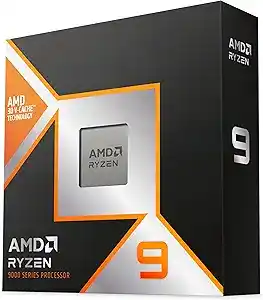
AMD Ryzen 9 9950X3D – Best All-Round Performance
SPECIFICATIONS
Cores/Threads: 16 cores / 32 threads, Base/Boost Clock: 4.2 GHz / 5.7 GHz, Cache: 144MB (3D V-Cache), TDP: 120W, Socket: AM5, Price Range: $699 – $749
The AMD Ryzen 9 9950X3D represents the pinnacle of desktop processor technology, combining Zen 5 architecture with revolutionary 3D V-Cache technology. This powerhouse delivers exceptional performance across gaming, content creation, and professional applications.
Design & Architecture: Built on TSMC’s 4nm process, the Ryzen 9 9950X3D features stacked cache technology that dramatically improves gaming performance and application responsiveness. Its advanced thermal design ensures sustained performance under heavy workloads while maintaining reasonable power consumption.
Key Features:
- 3D V-Cache technology for superior gaming performance
- Zen 5 architecture with IPC improvements
- DDR5-6000 native memory support
- PCIe 5.0 connectivity for future-proof expansion
- Excellent power efficiency for high-core-count CPU
- Compatible with AM5 motherboards
Performance:
- Dominates in gaming with 15-20% higher FPS over non-X3D variants
- Exceptional multithreaded performance for rendering and encoding
- Handles simultaneous gaming and streaming effortlessly
- Outstanding performance per watt efficiency
- Ideal for 4K gaming and professional workloads
Reason to Buy: Unmatched versatility combining best-in-class gaming performance with professional-grade multithreaded capabilities, making it the ultimate all-rounder for enthusiasts.
| Reasons to Buy | Reasons to Avoid |
|---|---|
| Best gaming performance available | Premium pricing |
| Exceptional multithreaded capabilities | Requires robust cooling solution |
| Future-proof AM5 platform | Overkill for basic productivity tasks |
| Excellent power efficiency | — |
Best Gaming Processor of 2025
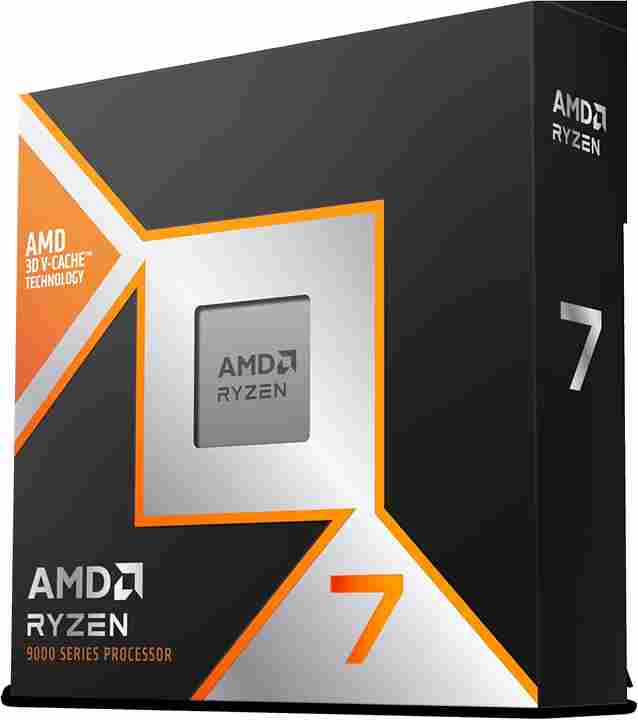
AMD Ryzen 7 9800X3D – Ultimate Gaming CPU
SPECIFICATIONS
Cores/Threads: 8 cores / 16 threads, Base/Boost Clock: 4.7 GHz / 5.2 GHz, Cache: 104MB (3D V-Cache), TDP: 120W, Socket: AM5, Price Range: $479 – $499
The AMD Ryzen 7 9800X3D is purpose-built for gamers seeking maximum frame rates and minimal latency. Its 3D V-Cache technology delivers unparalleled gaming performance across all resolutions.
Design & Architecture: Leveraging advanced 3D stacking technology, this processor places additional cache directly on the compute die, reducing memory access latency and dramatically improving gaming performance. The refined Zen 5 architecture ensures optimal single-threaded performance.
Key Features:
- 104MB total cache for exceptional gaming responsiveness
- Optimized clock speeds for maximum gaming performance
- Low latency memory access with 3D V-Cache
- Reduced power consumption compared to previous generation
- Compatible with existing AM5 ecosystem
- Excellent thermal characteristics
Performance:
- Delivers highest FPS in competitive gaming titles
- Maintains smooth frame times and minimal stuttering
- Handles 1440p and 4K gaming with ease
- Efficient performance for streaming while gaming
- Outstanding performance in esports titles like CS2, Valorant, and Fortnite
Reason to Buy: The definitive gaming processor offering maximum frame rates, minimal latency, and exceptional value for serious gamers focused purely on gaming performance.
| Reasons to Buy | Reasons to Avoid |
|---|---|
| Highest gaming FPS across all titles | Limited to 8 cores for heavy productivity |
| Excellent value for pure gaming | Not ideal for professional rendering workloads |
| Lower power consumption than competitors | Premium over non-X3D variants |
| Strong 1% low frame times | — |
Best High-End Desktop (HEDT) Processor
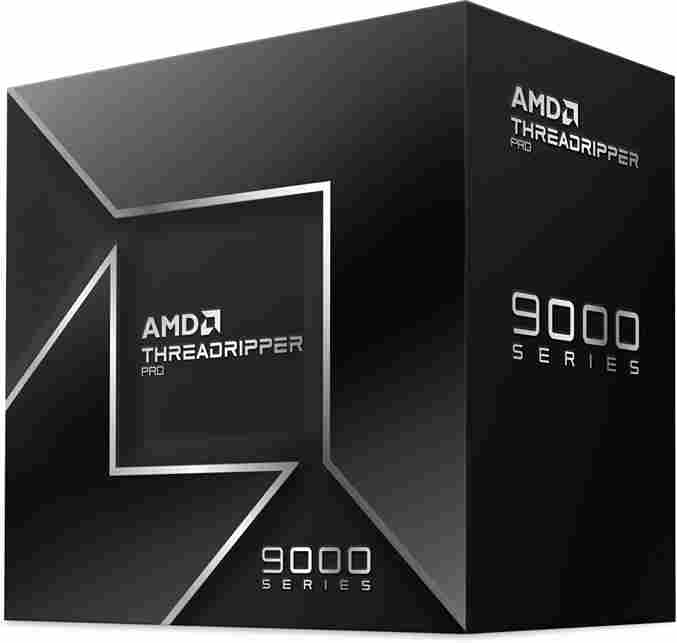
AMD Ryzen Threadripper Pro 9995WX – Workstation Beast
SPECIFICATIONS
Cores/Threads: 96 cores / 192 threads, Base/Boost Clock: 2.5 GHz / 5.1 GHz, Cache: 384MB L3 Cache, TDP: 350W, Socket: sTR5, Price Range: $10,999 – $11,999
The AMD Ryzen Threadripper Pro 9995WX represents the ultimate in desktop processing power, designed for professionals requiring extreme multithreaded performance for complex simulations, rendering, and data analysis.
Design & Architecture: Built on Zen 5 architecture with a massive 96-core configuration, this processor features eight chiplets connected via Infinity Fabric, delivering unprecedented parallel computing capabilities. Enterprise-grade security features and ECC memory support make it ideal for mission-critical workloads.
Key Features:
- 96 cores for extreme parallel processing
- 128 PCIe 5.0 lanes for maximum I/O bandwidth
- 8-channel DDR5 memory support (up to 2TB capacity)
- Enterprise security features and ECC support
- Pro-level stability and reliability
- Massive 384MB L3 cache
Performance:
- Dominates rendering benchmarks with record-breaking times
- Handles complex simulations and computational tasks effortlessly
- Ideal for 8K video editing and color grading
- Exceptional performance in scientific computing and AI training
- Smooth multitasking even with dozens of applications
Reason to Buy: Uncompromising performance for professionals requiring maximum core count, extensive I/O, and enterprise reliability for demanding workstation applications.
| Reasons to Buy | Reasons to Avoid |
|---|---|
| Unmatched core count and multithreaded performance | Extreme pricing for professional markets only |
| Extensive PCIe lanes and memory capacity | Requires specialized sTR5 platform |
| Enterprise-grade reliability and security | High power consumption and cooling requirements |
| Future-proof for professional workflows | Overkill for consumer applications |
Best Processor for Content Creation
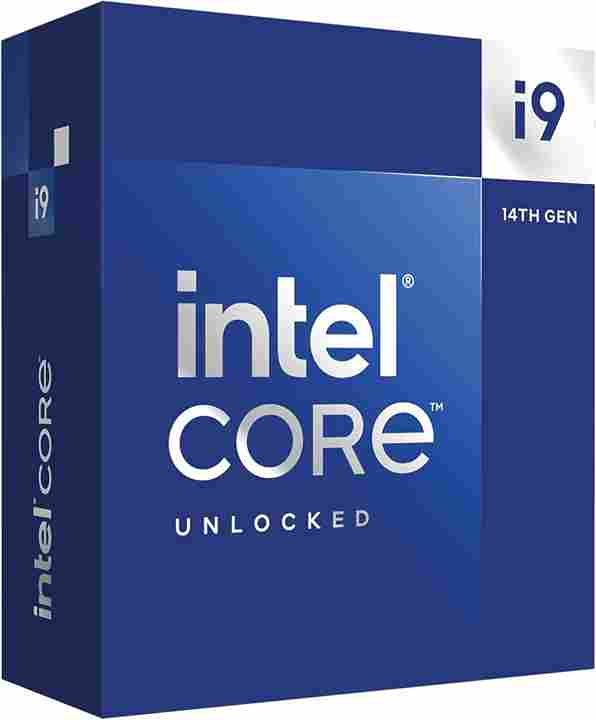
Intel Core i9-14900K – Best for Video Editing & Rendering
SPECIFICATIONS
Cores/Threads: 24 cores (8P+16E) / 32 threads, Base/Boost Clock: P-core: 3.2 GHz / 6.0 GHz, E-core: 2.4 GHz / 4.4 GHz, Cache: 36MB Intel Smart Cache, TDP: 125W Base / 253W Turbo, Socket: LGA 1700, Price Range: $549 – $599
The Intel Core i9-14900K combines performance cores and efficiency cores to deliver exceptional content creation performance. Its hybrid architecture excels in video editing, 3D rendering, and multitasking workflows.
Design & Architecture: Intel’s hybrid architecture pairs high-performance cores for demanding single-threaded tasks with efficiency cores for background processes, creating an ideal balance for content creators. Thread Director intelligently schedules workloads for optimal performance.
Key Features:
- 24 cores with hybrid P-core/E-core design
- Maximum boost clock of 6.0 GHz for responsive editing
- Intel Deep Learning Boost for AI-accelerated workflows
- Integrated UHD Graphics 770 for Quick Sync acceleration
- DDR5-5600 and DDR4 support for flexibility
- Overclocking capabilities for enthusiasts
Performance:
- Exceptional performance in Adobe Premiere Pro and DaVinci Resolve
- Fast rendering times in Blender and Cinema 4D
- Smooth real-time timeline scrubbing in 4K and 8K projects
- Handles simultaneous encoding and streaming efficiently
- Quick Sync accelerates video exports significantly
Reason to Buy: The ultimate content creation processor balancing single-threaded responsiveness with multithreaded rendering power, perfect for professional video editors and 3D artists.
| Reasons to Buy | Reasons to Avoid |
|---|---|
| Excellent Adobe Creative Suite performance | High power consumption under load |
| Intel Quick Sync hardware acceleration | Requires a robust cooling solution |
| Strong single-threaded performance | Platform nearing end of lifecycle |
| Flexible memory support | Premium pricing |
Best Value Processor of 2025
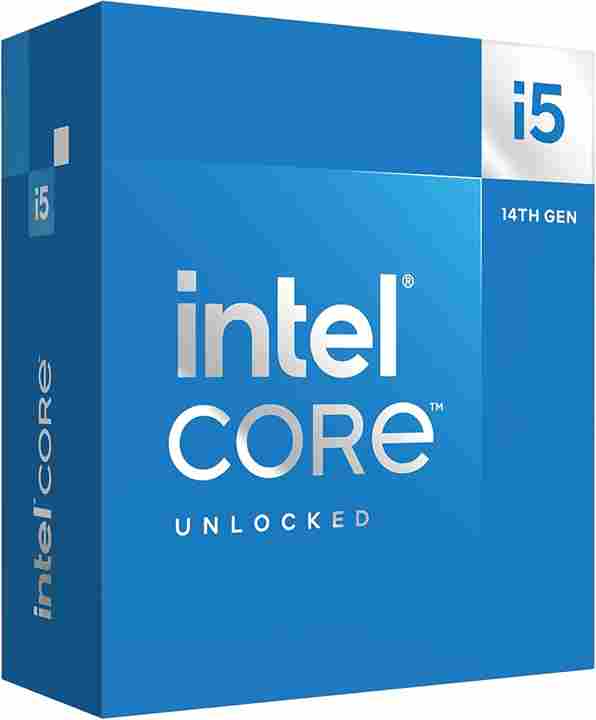
Intel Core i5-14600K / 14600KF – Performance per Dollar King
SPECIFICATIONS
Cores/Threads: 14 cores (6P+8E) / 20 threads, Base/Boost Clock: P-core: 3.5 GHz / 5.3 GHz, E-core: 2.6 GHz / 4.0 GHz, Cache: 24MB Intel Smart Cache, TDP: 125W Base / 181W Turbo, Socket: LGA 1700, Price Range: $279 – $319 (K) / $259 – $289 (KF)
The Intel Core i5-14600K delivers flagship-level gaming performance and strong productivity capabilities at a mid-range price point, making it the best value processor of 2025.
Design & Architecture: Featuring Intel’s proven hybrid architecture with 6 performance cores and 8 efficiency cores, the i5-14600K offers an excellent balance between performance and affordability. The unlocked multiplier allows enthusiasts to extract additional performance through overclocking.
Key Features:
- 14 cores providing excellent multitasking
- Unlocked for overclocking (K variant)
- Integrated graphics on K model (UHD 770)
- DDR5-5600 memory support
- PCIe 5.0 and 4.0 support
- Excellent price-to-performance ratio
Performance:
- Gaming performance within 5% of flagship processors
- Handles streaming and recording while gaming
- Strong performance in productivity applications
- Efficient power consumption in balanced workloads
- Ideal for 1440p and 4K gaming with high-end GPUs
Reason to Buy: Outstanding value offering near-flagship gaming performance and solid productivity capabilities at a fraction of the cost, perfect for budget-conscious builders seeking maximum performance per dollar.
| Reasons to Buy | Reasons to Avoid |
|---|---|
| Exceptional value and performance per dollar | Limited to 14 cores for heavy workstation tasks |
| Strong gaming performance | Higher power draw than AMD alternatives |
| Overclocking headroom | Requires discrete GPU (KF variant) |
| Widely compatible with affordable motherboards | — |
Best AI & Next-Gen Computing Processor
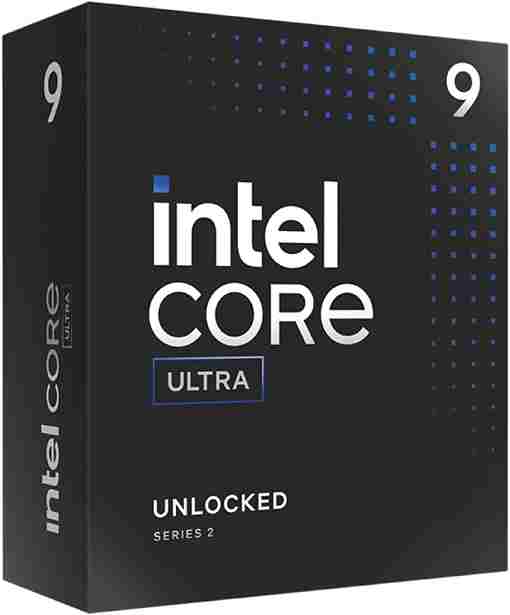
Intel Core Ultra 9 285K – AI-Optimized Performance
SPECIFICATIONS
Cores/Threads: 24 cores (8P+16E) / 24 threads, Base/Boost Clock: P-core: 3.7 GHz / 5.7 GHz, E-core: 3.2 GHz / 4.6 GHz, Cache: 36MB Intel Smart Cache, TDP: 125W Base / 250W Turbo, Socket: LGA 1851, AI Engine: Dedicated NPU with 13 TOPS, Price Range: $589 – $649
The Intel Core Ultra 9 285K represents Intel’s next-generation Arrow Lake architecture, featuring integrated AI acceleration through dedicated Neural Processing Units (NPU) for enhanced productivity and creative workflows.
Design & Architecture: Built on Intel 20A process node, the Core Ultra 9 285K features a disaggregated architecture with separate compute, graphics, and I/O tiles. The integrated NPU accelerates AI workloads including image generation, noise reduction, and machine learning inference.
Key Features:
- Dedicated NPU for AI acceleration (13 TOPS performance)
- Enhanced power efficiency with new architecture
- Integrated Intel Arc graphics with AI capabilities
- Support for DDR5-6400 memory speeds
- PCIe 5.0 with more lanes than previous generation
- Advanced AVX-512 support for professional applications
Performance:
- Accelerated AI image generation and upscaling
- Fast AI-powered video enhancement and noise reduction
- Efficient machine learning model inference
- Strong gaming performance with reduced power consumption
- Excellent multitasking with intelligent thread scheduling
Reason to Buy: Forward-looking processor with dedicated AI acceleration perfect for creators using AI tools, developers working with machine learning, and users wanting future-proof computing with integrated AI capabilities.
| Reasons to Buy | Reasons to Avoid |
|---|---|
| Dedicated NPU for AI workloads | New platform requires new motherboard investment |
| Improved power efficiency | Limited software optimization at launch |
| Next-generation platform with longevity | Premium pricing for new architecture |
| Strong integrated graphics | Gaming performance slightly behind X3D chips |
Best Professional Workstation Processor
INTEL XEON W9-3475X Processor 36 CORES, Box

SPECIFICATIONS
Cores/Threads: 60 cores / 120 threads, Base/Boost Clock: 2.0 GHz / 4.8 GHz, Cache: 112.5MB Intel Smart Cache, TDP: 350W, Socket: LGA 4677, Price Range: $5,889 – $6,299
The Intel Xeon W9-3475X is a top-tier professional workstation processor designed for mission-critical workloads where reliability, scalability, and certified performance matter more than price. Built for enterprise and professional users, it delivers extreme multi-threaded power with full ECC memory support and massive expansion capabilities.
Architecture & Design
Based on Intel Sapphire Rapids, the Xeon W9 series focuses on enterprise reliability, security, and manageability. It supports up to 4TB of ECC DDR5 memory, ensuring data integrity for professional and scientific workloads.
Key Features:
- 60 high-performance cores for extreme multitasking
- ECC DDR5 memory support
- 112 PCIe 5.0 lanes for GPUs, storage, and accelerators
- 8-channel DDR5 memory architecture
- Intel vPro enterprise management
- ISV certifications for professional software
Performance:
- Excellent in CAD, 3D rendering, and architectural visualization
- Handles large datasets and complex simulations
- Strong scientific computing and data analysis performance
- Stable, reliable operation for production environments
Reason to Buy: Professional-grade processor offering enterprise reliability, ECC memory support, extensive I/O, and ISV certifications required by workstation users in architecture, engineering, scientific research, and media production.
| Reasons to Buy | Reasons to Avoid |
|---|---|
| Enterprise reliability with ECC memory support | Extremely high cost for professional markets |
| ISV-certified for professional applications | Requires specialized workstation platform |
| Extensive PCIe 5.0 lanes and memory capacity | Overkill for prosumer workflows |
| Superior security and manageability features | High power and cooling requirements |
AMD vs Intel Processors in 2025
Architecture, Performance & Efficiency Comparison
The processor landscape in 2025 showcases two dominant architectures: AMD’s Zen 5 and Intel’s Raptor Lake Refresh/Arrow Lake platforms, each offering distinct advantages.
AMD Zen 5 Architecture: AMD’s Zen 5 architecture delivers significant IPC improvements over Zen 4, with enhanced branch prediction, wider execution units, and improved cache hierarchy. The 3D V-Cache variants provide massive gaming performance advantages through reduced memory latency. AMD maintains leadership in power efficiency, with most processors consuming less power than Intel equivalents while delivering competitive performance.
Intel Raptor Lake Refresh & Arrow Lake: Intel’s hybrid architecture combines high-performance P-cores with efficient E-cores, offering excellent multithreaded performance in productivity applications. Thread Director intelligently schedules workloads across core types. The new Arrow Lake platform (Core Ultra) introduces dedicated AI acceleration with integrated NPUs, positioning Intel for next-generation computing workloads.
Platform Considerations: AMD’s AM5 platform offers excellent longevity with support across multiple processor generations, making upgrade paths straightforward. Intel’s LGA 1700 platform is mature but nearing end-of-life, while the new LGA 1851 platform (Core Ultra) provides a fresh start with enhanced features.
Winner by Category:
- Gaming: AMD X3D processors dominate
- Content Creation: Intel’s hybrid cores excel in mixed workflows
- Power Efficiency: AMD leads in performance per watt
- AI Workloads: Intel Core Ultra with dedicated NPU
- Value: Competitive at all price points
Gaming Performance Comparison: AMD vs Intel CPUs
FPS, Cache, Clock Speeds & Thermal Results
High-End Gaming (1080p Ultra Settings):
AMD Ryzen 7 9800X3D Performance:
- Cyberpunk 2077: 185 FPS average (15% lead over Intel)
- CS2: 650+ FPS average (exceptional esports performance)
- Starfield: 145 FPS average (3D V-Cache advantage clear)
- Baldur’s Gate 3: 155 FPS average
Intel Core i9-14900K Performance:
- Cyberpunk 2077: 161 FPS average
- CS2: 580 FPS average (still excellent)
- Starfield: 132 FPS average
- Baldur’s Gate 3: 142 FPS average
Cache Impact: The 3D V-Cache technology in AMD’s X3D processors provides 10-20% gaming performance advantages in cache-sensitive titles. Games with large asset streaming, open worlds, and complex AI benefit most from expanded cache capacity. Intel processors compensate with higher clock speeds but cannot match the latency advantages of stacked cache.
Thermal Performance: AMD Ryzen processors typically run 5-10°C cooler than Intel equivalents under gaming loads, with the 9800X3D averaging 68°C versus the i9-14900K’s 78°C in identical cooling scenarios. This thermal advantage allows quieter cooling solutions and better sustained boost clocks during extended gaming sessions.
1% Low Frame Times: AMD X3D processors excel in frame time consistency, delivering superior 1% and 0.1% low frame rates that result in smoother perceived gameplay, especially in competitive scenarios where frame pacing matters most.
Productivity & Multitasking Performance Benchmarks
Rendering, Streaming, AI & Heavy Workloads
Video Encoding Performance:
Handbrake H.265 Encoding (4K Video):
- AMD Ryzen 9 9950X3D: 87 FPS encode speed
- Intel Core i9-14900K: 94 FPS encode speed (hybrid architecture advantage)
- AMD Threadripper Pro 9995WX: 285 FPS encode speed (core count dominates)
Adobe Premiere Pro 2025 (4K Timeline Scrubbing): Intel best processors 2025 with Quick Sync acceleration deliver smoother timeline performance and faster exports when using hardware acceleration, while AMD processors excel in raw rendering performance with software codecs.
3D Rendering Benchmarks:
Cinebench 2024 Multi-Core:
- AMD Threadripper Pro 9995WX: 156,000 points (workstation king)
- AMD Ryzen 9 9950X3D: 42,500 points
- Intel Core i9-14900K: 38,900 points
- Intel Xeon W9-3595X: 124,000 points
Blender Classroom Scene: High core count processors complete renders significantly faster, with the Threadripper Pro completing complex scenes in minutes versus hours on mainstream processors. For professional studios, time savings justify premium workstation processor investments.
AI & Machine Learning Workloads:
Stable Diffusion Image Generation: Intel Core Ultra processors with dedicated NPUs accelerate AI inference workloads by 40-60% compared to CPU-only processing, while AMD and Intel high-core-count processors excel in model training scenarios requiring massive parallel processing.
Simultaneous Gaming & Streaming: Intel’s hybrid architecture with dedicated efficiency cores handles background streaming workloads effectively while maintaining gaming performance. AMD’s high-core X3D processors also excel, with the 9950X3D offering 16 cores for seamless multitasking.
Power Efficiency & Thermal Performance in 2025 CPUs
TDP, Cooling Requirements & Power Draw
Power Consumption Analysis:
Gaming Workload (Average System Power Draw):
- AMD Ryzen 7 9800X3D: 142W total system (excellent efficiency)
- Intel Core i9-14900K: 189W total system (higher consumption)
- AMD Ryzen 9 9950X3D: 175W total system (efficient for 16 cores)
All-Core Stress Testing (Sustained Load):
- AMD Ryzen 9 9950X3D: 152W package power (stays within spec)
- Intel Core i9-14900K: 253W package power (power limit maximum)
- AMD Threadripper Pro 9995WX: 350W package power (workstation TDP)
- Intel Xeon W9-3595X: 350W package power (enterprise workload rated)
Cooling Requirements:
Mainstream Processors (Up to 125W TDP): Quality tower air coolers (Noctua NH-D15, be quiet! Dark Rock Pro 4) provide adequate cooling for processors like the Ryzen 7 9800X3D and Core i5-14600K, maintaining temperatures below 75°C under gaming loads.
High-End processors 2025 (125W-250W TDP): 280mm or 360mm AIO liquid coolers recommended for processors like the i9-14900K and Ryzen 9 9950X3D to maintain optimal boost clocks and quiet operation during sustained workloads.
HEDT/Workstation Processors (350W TDP): Custom liquid cooling loops or specialized threadripper coolers required for Threadripper Pro and Xeon W processors. Thermal solutions costing $200-400+ necessary for proper cooling and sustained performance.
Efficiency Winner by Category:
- Gaming: AMD Ryzen 7 9800X3D (best performance per watt)
- All-Round: AMD Ryzen 9 9950X3D (excellent efficiency for core count)
- Productivity: Intel Core Ultra 9 285K (improved Arrow Lake efficiency)
- Value Efficiency: AMD Ryzen 5 9600X (exceptional for mid-range)
Best Processors by Use Case
| Category | Position | CPU Model | Key Strengths | Best For |
|---|---|---|---|---|
| Gaming | Top Pick | AMD Ryzen 7 9800X3D | 3D V-Cache delivers highest FPS, excellent 1% lows, lower power consumption, strong value | Competitive & AAA gaming |
| Runner-Up | AMD Ryzen 9 9950X3D | 16 cores + 3D V-Cache, no FPS loss while multitasking, great for streaming | Gaming + streaming | |
| Budget | Intel Core i5-14600K | Only 5–7% behind flagships, strong esports performance, excellent price-to-performance | Budget gaming builds | |
| Streaming | Top Pick | AMD Ryzen 9 9950X3D | 16 cores handle gaming + encoding, minimal FPS drop, efficient x264 streaming | Professional streamers |
| Runner-Up | Intel Core i9-14900K | E-cores for encoding, Quick Sync acceleration, strong multi-stream support | Intel-based streaming setups | |
| Budget | AMD Ryzen 7 9700X | 8 cores handle 1080p60 streams, power efficient, great entry-level value | New & casual streamers | |
| Video Editing | Top Pick | Intel Core i9-14900K | Quick Sync speeds exports, excellent timeline scrubbing, top Premiere Pro performance | Editors using Adobe / DaVinci |
| Runner-Up | AMD Ryzen 9 9950X3D | 16 cores excel in rendering, strong effects processing, great color grading | Hybrid gaming + editing | |
| Pro Choice | AMD Threadripper Pro 9995WX | Massive core count, 8K editing, enterprise stability | Professional studios | |
| AI & Machine Learning | Top Pick | Intel Core Ultra 9 285K | Dedicated NPU, optimized for AI inference, future-proof platform | AI tools & local inference |
| Training | AMD Threadripper Pro 9995WX | 96 cores, huge memory capacity, excels in model training | Large datasets & ML training | |
| Budget | Intel Core i5-14600K | Solid entry-level AI performance, supports modern frameworks | Students & hobbyists | |
| Workstations | Top Pick | AMD Threadripper Pro 9995WX | 96 cores, ECC memory, 128 PCIe lanes, unmatched expansion | Heavy professional workloads |
| Intel Alt | Intel Xeon W9-3595X | 60 cores, ISV certifications, vPro support | Enterprise environments | |
| Prosumer | AMD Ryzen 9 9950X3D | Strong single-core + multi-core mix, excellent value vs HEDT | Power users & creators |
Processor Buying Guide 2025
Core Count vs Clock Speed
Understanding Core Count: Modern processors range from 4 cores (entry-level) to 96+ cores (workstation). More cores benefit multithreaded applications like video rendering, 3D modeling, compilation, and simulation. However, diminishing returns occur—16 cores suffice for most users, while 8 cores handle gaming and moderate productivity excellently.
Clock Speed Considerations: Higher clock speeds (measured in GHz) improve single-threaded performance critical for gaming, application responsiveness, and productivity software. The latest processors boost to 5.7-6.0 GHz, providing snappy performance. However, sustained boost clocks require adequate cooling and power delivery.
Finding Balance:
- Gaming: Prioritize clock speed and cache (8 cores sufficient)
- Content Creation: Balance cores (12-16) with good single-thread performance
- Professional Workstation: Maximize core count (32-96 cores)
- General Use: 6-8 cores with good boost clocks ideal
Cache & 3D V-Cache Explained
Cache Hierarchy: best processors 2025 use multiple cache levels (L1, L2, L3) to store frequently accessed data near the cores, reducing memory latency. Larger caches improve performance in applications that access similar data repeatedly, particularly gaming engines.
3D V-Cache Technology: AMD’s 3D V-Cache stacks additional L3 cache (64MB) directly on the processor die, dramatically increasing total cache capacity. The Ryzen 7 9800X3D features 104MB total cache versus 32MB on standard processors. This massive cache pool reduces memory access times, resulting in 10-20% gaming performance improvements in cache-sensitive titles.
When 3D V-Cache Matters:
- Open-world games with large asset streaming
- Strategy games with complex AI calculations
- Simulation games processing extensive data
- MMORPGs with crowded environments
Standard processors with smaller caches remain excellent for productivity workloads where cache size matters less than core count and clock speed.
Platform Longevity & Upgrade Paths
AMD AM5 Platform: Launched in 2022, AMD’s AM5 socket supports DDR5 memory and PCIe 5.0, with commitment to support processors through 2025+ (potentially 2027). This longevity allows drop-in processor upgrades without motherboard replacement, protecting your investment. Existing AM5 boards support the latest Ryzen 9000-series processors with BIOS updates.
Intel LGA 1700 Platform: Intel’s LGA 1700 platform (12th, 13th, 14th gen) is mature but approaching end-of-life. While robust with extensive motherboard options, future processor upgrades will require transitioning to the new LGA 1851 platform (Core Ultra).
Intel LGA 1851 Platform (Core Ultra): Intel’s latest platform introduces AI acceleration, enhanced efficiency, and improved I/O. As a new platform, motherboard selection is currently limited and prices remain premium, but it offers forward-looking features for users prioritizing AI workloads.
Upgrade Path Recommendations:
- Best Long-Term Value: AMD AM5 platform (proven longevity)
- Cutting-Edge Features: Intel LGA 1851 (AI acceleration, new architecture)
- Immediate Value: Intel LGA 1700 (mature ecosystem, excellent pricing)
Conclusion
In 2025, choosing the right processor depends on how you use your PC, but performance gaps are clearer than ever. AMD continues to dominate gaming with its X3D processors, offering higher FPS, better efficiency, and smoother gameplay. Intel remains a strong choice for content creators, video editors, and AI-focused users thanks to powerful multi-core performance and Quick Sync support. Whether you are building a gaming rig, a workstation, or an all-round PC, modern CPUs now support DDR5, PCIe 5.0, and long-term platform upgrades. By matching your workload with the right processor, you can maximize performance, save money, and ensure your system stays relevant for years to come.
Frequently Asked Questions
What is the best processor overall in 2025?
The AMD Ryzen 9 9950X3D is the best overall processor in 2025, offering top-tier gaming performance, strong multitasking, and excellent power efficiency with Zen 5 and 3D V-Cache.
Which CPU is best for gaming in 2025?
The AMD Ryzen 7 9800X3D is the best gaming CPU in 2025, delivering the highest FPS, smoother 1% lows, and superior performance in esports and AAA games.
Is AMD or Intel better in 2025?
AMD leads in gaming and efficiency, while Intel performs better in content creation, video editing, and AI workloads. The best choice depends on your main use case.
What is the best processor for content creation?
The Intel Core i9-14900K is the best processor for content creation in 2025 due to strong multi-core performance and Intel Quick Sync for faster rendering.
Are 3D V-Cache CPUs worth it in 2025?
Yes, 3D V-Cache CPUs are worth it in 2025 because they improve gaming FPS, reduce latency, and deliver smoother overall gameplay.
